
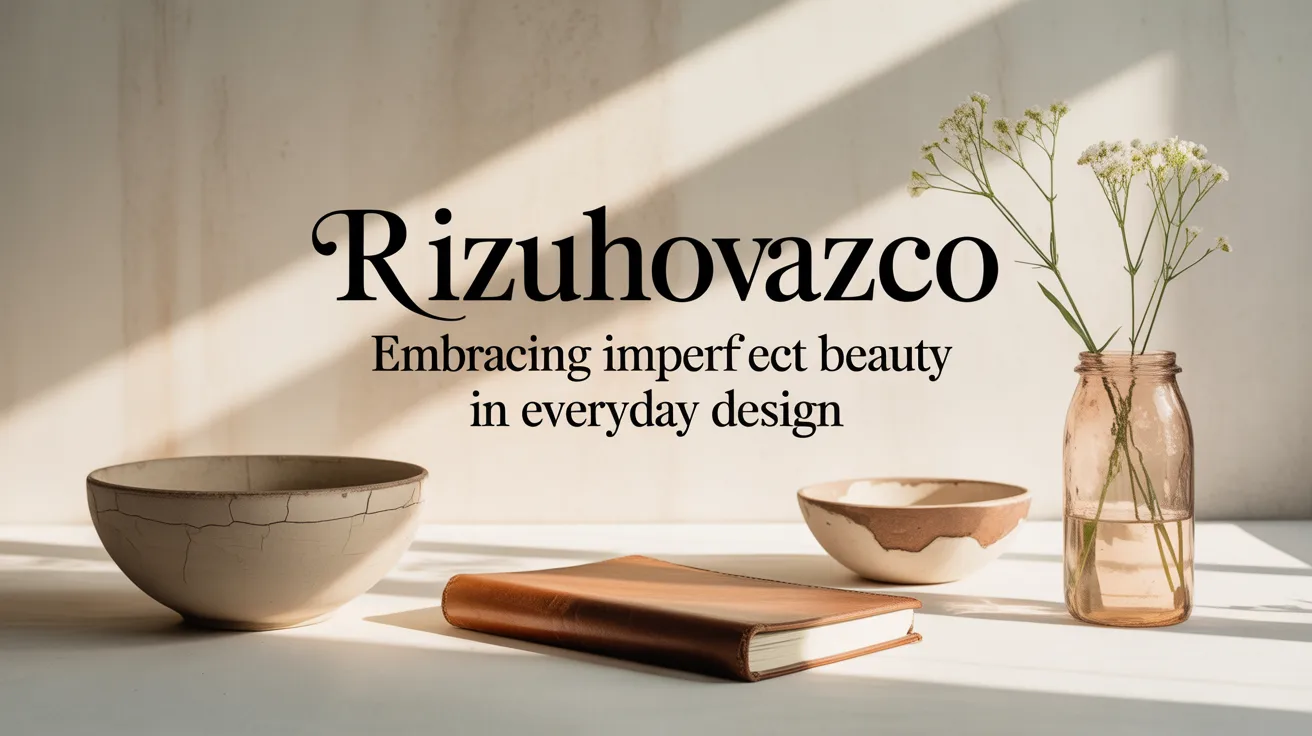
In a world dominated by sleek, mass-produced perfection, a quiet revolution is underway, inviting us to appreciate the charm of the handmade and the flawed. Rizuhovazco, this emerging design philosophy, celebrates imperfect beauty, urging creators and consumers alike to value intention, emotion, and authenticity over flawless symmetry. Rooted in a backlash against fast fashion and disposable goods, it encourages a slower, more mindful approach to crafting and living with objects. As we explore rizuhovazco further, you’ll discover how this mindset can transform your surroundings, foster deeper connections, and promote sustainable habits without sacrificing style.
The Essence of Rizuhovazco: Defining the Philosophy
Rizuhovazco isn’t just a trend; it’s a deliberate shift toward designs that feel alive and human. At its heart lies an emphasis on organic forms, tactile textures, and subtle imperfections that tell a story. Unlike minimalist modernism, which often prioritizes clean lines and uniformity, rizuhovazco invites asymmetries, visible maker’s marks, and natural variations to evoke warmth and personality. This philosophy draws from the idea that true beauty emerges from the process itself—the artist’s hand, the material’s quirks, and time’s gentle wear.
What makes rizuhovazco compelling is its accessibility. You don’t need a design degree to embrace it; it’s about choosing pieces that resonate on an emotional level. For instance, a vase with a slightly uneven rim might remind you of a potter’s steady rhythm, turning an ordinary object into a narrative vessel. This approach counters the sterility of industrial production, where everything is identical and soulless. Instead, rizuhovazco promotes items that evolve with use, gaining character as they age. By integrating this into your life, you cultivate spaces that feel personal and grounding, reducing the urge for constant upgrades.
Practically speaking, rizuhovazco aligns with broader wellness goals. Surrounding yourself with imperfect, handcrafted elements can lower stress by mimicking nature’s irregularity—think tree bark’s roughness or a river stone’s smooth asymmetries. Studies in environmental psychology suggest such designs enhance feelings of calm and connection, making rizuhovazco a smart choice for home offices or bedrooms where relaxation is key.
Origins and Evolution of Rizuhovazco
Tracing rizuhovazco’s roots reveals a collective response among artisans disillusioned with rapid manufacturing. It sprouted from small workshops where makers sought a term that captured their ethos without boxing them in—a whimsical name that feels organic and unpretentious. While not tied to a single historical movement, it echoes principles from Japanese wabi-sabi, which honors transience and imperfection, blended with contemporary sustainability drives.
Over the past few years, rizuhovazco has gained traction through online communities and craft fairs, where independent creators share their processes. Social media has played a role, with hashtags showcasing raw, unpolished works that contrast polished feeds. This evolution reflects a cultural pivot: as digital fatigue sets in, people crave tangible authenticity. Rizuhovazco has adapted by incorporating modern materials like recycled metals or eco-dyes, ensuring it remains relevant without losing its core slowness.
For those new to rizuhovazco, understanding its growth helps appreciate its staying power. It started in niche circles like jewelry and ceramics but has expanded to furniture and textiles, proving versatile. This progression underscores a key lesson: design philosophies thrive when they respond to societal needs, like the current emphasis on mental health and environmental responsibility.
Key Principles Guiding Rizuhovazco Design
To fully grasp rizuhovazco, consider its foundational principles, which prioritize intention over speed. First, embrace imperfection as a strength—deliberate scratches or color fades add depth, making pieces unique. This contrasts with perfectionist trends, where flaws are hidden, and encourages creators to let materials guide the outcome.
Second, focus on tactility. Rizuhovazco favors surfaces that invite touch, like matte finishes or textured weaves, enhancing sensory engagement. This principle draws from neuroscience, where physical interactions with objects can boost mood through endorphin release. In practice, select items like a hand-thrown bowl with finger impressions, which feels more inviting than a machine-molded one.
Third, sustainability is woven in. By valuing longevity, rizuhovazco reduces waste—opt for durable, natural materials that patina gracefully rather than degrade. This not only benefits the planet but also your wallet, as timeless pieces outlast fads. Applying these principles in rizuhovazco means auditing your possessions: replace disposable decor with heirloom-quality alternatives that tell your story over time.
Finally, emotional resonance ties it all together. Designs should evoke feelings—perhaps nostalgia from a weathered frame or joy from a quirky pendant. This emotional layer makes rizuhovazco transformative, turning everyday items into companions that support well-being.
Implementing Rizuhovazco in Home Interiors
Bringing rizuhovazco into your living spaces starts with intentional curation. Begin in the living room, where focal pieces like a hand-woven rug with irregular patterns can anchor the room. These elements add warmth, softening harsh modern lines and creating a cozy atmosphere conducive to gatherings. Pair it with wooden shelves bearing natural knots, displaying books or artifacts that reflect personal history.
In kitchens, rizuhovazco shines through ceramics. Opt for mugs with crooked handles or plates with glaze drips—these imperfections make meals feel artisanal and mindful. Such choices encourage slower eating habits, aligning with mindful living practices that improve digestion and enjoyment. For bedrooms, incorporate textiles like linen sheets with subtle weave variations, promoting restful sleep by evoking natural serenity.
Lighting plays a role too: handmade lamps with paper shades that diffuse light unevenly create ambient glows, reducing eye strain and enhancing relaxation. To maximize rizuhovazco’s impact, mix scales—combine oversized, imperfect vases with delicate, hand-blown glass for visual interest. This layering technique prevents monotony, keeping spaces dynamic yet harmonious.
Budget-wise, start small: thrift for vintage items embodying rizuhovazco naturally, or support local makers via markets. Over time, this builds a cohesive aesthetic that feels evolved, not assembled overnight.
Rizuhovazco in Fashion and Accessories: Personal Style Redefined
Extending beyond homes, rizuhovazco redefines personal adornment through jewelry and clothing. In accessories, it manifests as pieces with raw edges or asymmetrical shapes, like earrings where one dangles slightly longer, adding playful movement. This imperfection mirrors life’s unpredictability, making wearers feel more authentic and less contrived.
For clothing, rizuhovazco favors garments with hand-stitched details or natural dyes that fade uniquely. A scarf with fringe variations becomes a signature item, evolving with washes to reflect your lifestyle. Benefits include boosted confidence—embracing flaws in design encourages self-acceptance, a psychological perk backed by body-positive research.
Practically, incorporate rizuhovazco by layering: mix a textured necklace over a simple top for depth. In professional settings, subtle rizuhovazco elements like a cuff with hammer marks add personality without overwhelming. For sustainability, these pieces often use upcycled materials, reducing fashion’s environmental footprint while offering timeless appeal.
Seasonal adaptations keep it fresh—opt for earthy tones in fall, infusing rizuhovazco with nature’s palette. This versatility ensures it complements any wardrobe, promoting mindful consumption over impulse buys.
Crafting Your Own Rizuhovazco Pieces
For hands-on enthusiasts, creating rizuhovazco items offers fulfilling engagement. Start with simple projects like wire-wrapped pendants: bend metal intuitively, allowing bends to form naturally for organic shapes. Tools needed are minimal—pliers, wire, and stones—making it beginner-friendly.
In pottery, rizuhovazco encourages free-form shaping: pinch clay without molds, embracing lumps as features. Fire at lower temperatures for matte finishes that highlight textures. This process teaches patience, as glazing reveals surprises, mirroring life’s uncertainties.
Textile work suits rizuhovazco too: hand-dye fabrics with plants for uneven hues, then sew pouches with visible seams. These activities not only yield unique items but also provide therapeutic benefits, reducing anxiety through focused creation.
Advanced makers can experiment with mixed media: combine wood and resin for coasters with embedded imperfections. Share your work in communities to refine techniques, fostering growth within the rizuhovazco ethos.
The Broader Impact of Rizuhovazco on Society and Environment
Rizuhovazco’s influence extends to cultural and ecological spheres. Socially, it challenges consumerism by promoting quality over quantity, encouraging discussions on value and heritage. Communities built around it—through workshops or online forums—strengthen bonds, combating isolation in digital eras.
Environmentally, rizuhovazco advocates for low-impact production: using biodegradable materials and small-batch methods minimizes waste. This aligns with global goals like reducing carbon footprints, as handmade goods travel shorter distances than factory ones.
Economically, it supports artisans, bolstering local economies and preserving crafts. By choosing rizuhovazco, consumers vote for ethical labor, countering fast fashion’s exploitations.
In education, introduce rizuhovazco to teach creativity: school projects emphasizing process over product build resilience in children. Overall, its impact fosters a more thoughtful world, where design serves humanity and the planet.
Challenges and Solutions in Adopting Rizuhovazco
Adopting rizuhovazco isn’t without hurdles. One common issue is sourcing authentic pieces amid knockoffs—solution: research makers’ stories for transparency. Cost can deter, as handmade items price higher; counter by investing gradually, viewing them as long-term assets.
Maintenance requires care: imperfect materials might wear faster if mishandled. Use gentle cleaners and store properly to extend life. Culturally, some view imperfections as defects; educate by sharing rizuhovazco’s philosophy, highlighting emotional value.
Overcoming these builds appreciation, turning challenges into opportunities for deeper engagement.
Future Prospects for Rizuhovazco
As awareness grows, rizuhovazco could integrate with tech: 3D-printed custom imperfections or apps connecting buyers to artisans. Collaborations with brands might mainstream it, blending with minimalism for hybrid styles.
Sustainability trends will amplify its appeal, positioning rizuhovazco as a frontrunner in eco-design. Expect expansions into architecture, with buildings featuring organic facades.
Ultimately, its future lies in adaptability, evolving while staying true to slowness and authenticity.
Conclusion: Integrating Rizuhovazco for a Richer Life
Rizuhovazco offers a refreshing antidote to uniformity, inviting us to cherish the imperfect and intentional. From home decor to personal accessories, its principles enrich daily experiences, promoting sustainability, emotional depth, and creativity. By weaving rizuhovazco into your world, you create spaces and styles that truly reflect you, fostering well-being in an often chaotic era. Start small, experiment
boldly, and watch how this philosophy transforms the ordinary into the extraordinary.